Why are emergency power systems essential for businesses and critical infrastructure?
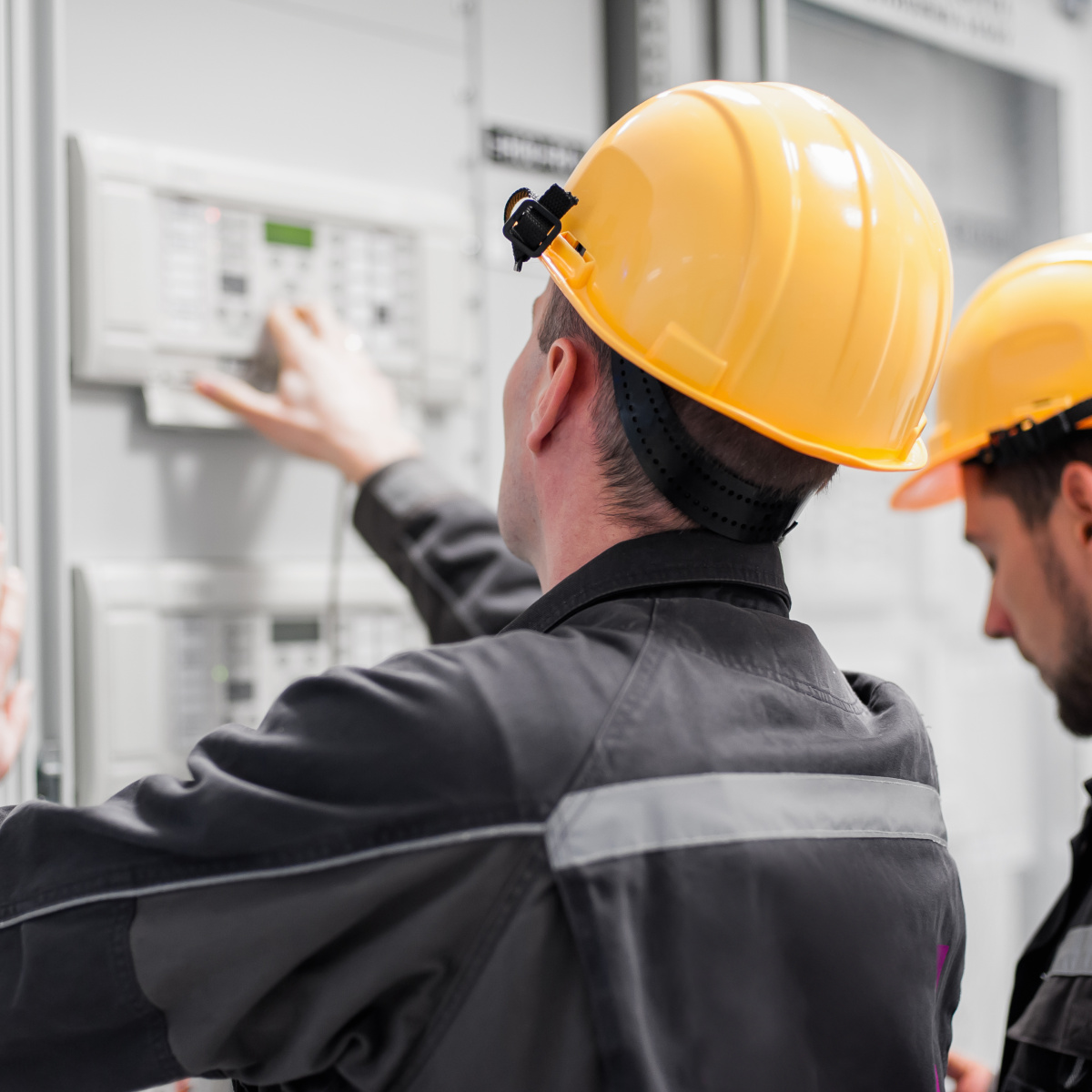
Emergency power systems secure the power supply in the event of power failures in companies, industrial plants, hospitals, data centres and public institutions. They prevent production downtimes, data loss and security risks, and ensure compliance with legal requirements for the operation of critical infrastructure.
What types of emergency power systems does PERMALUX offer?
PERMALUX plans, supplies and maintains: *
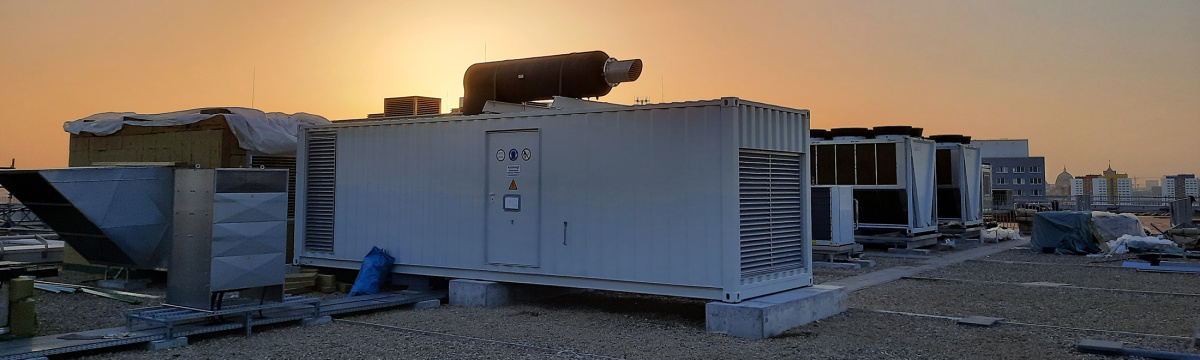
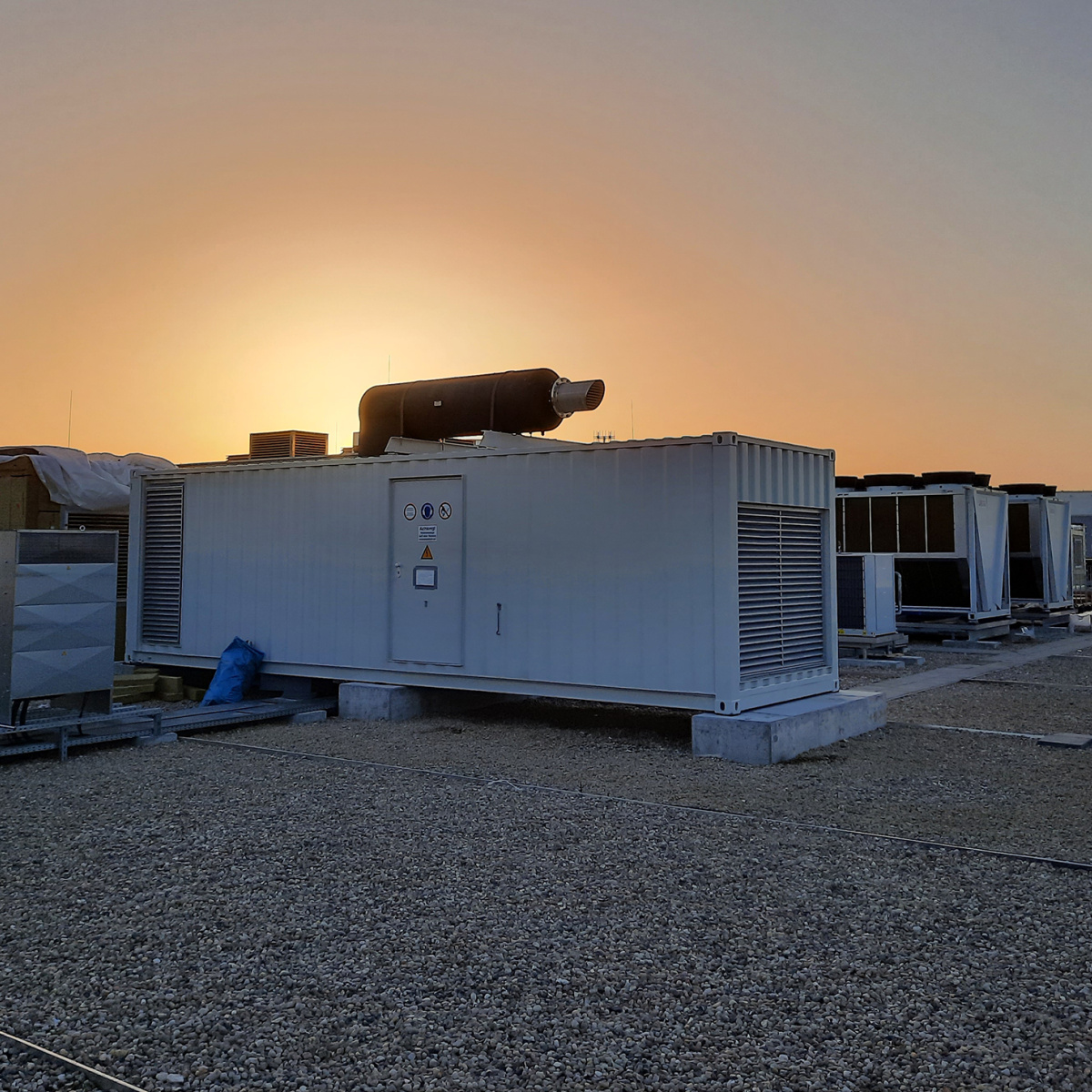
- Central emergency power systems (NEA) with diesel or gas engines for high power requirements
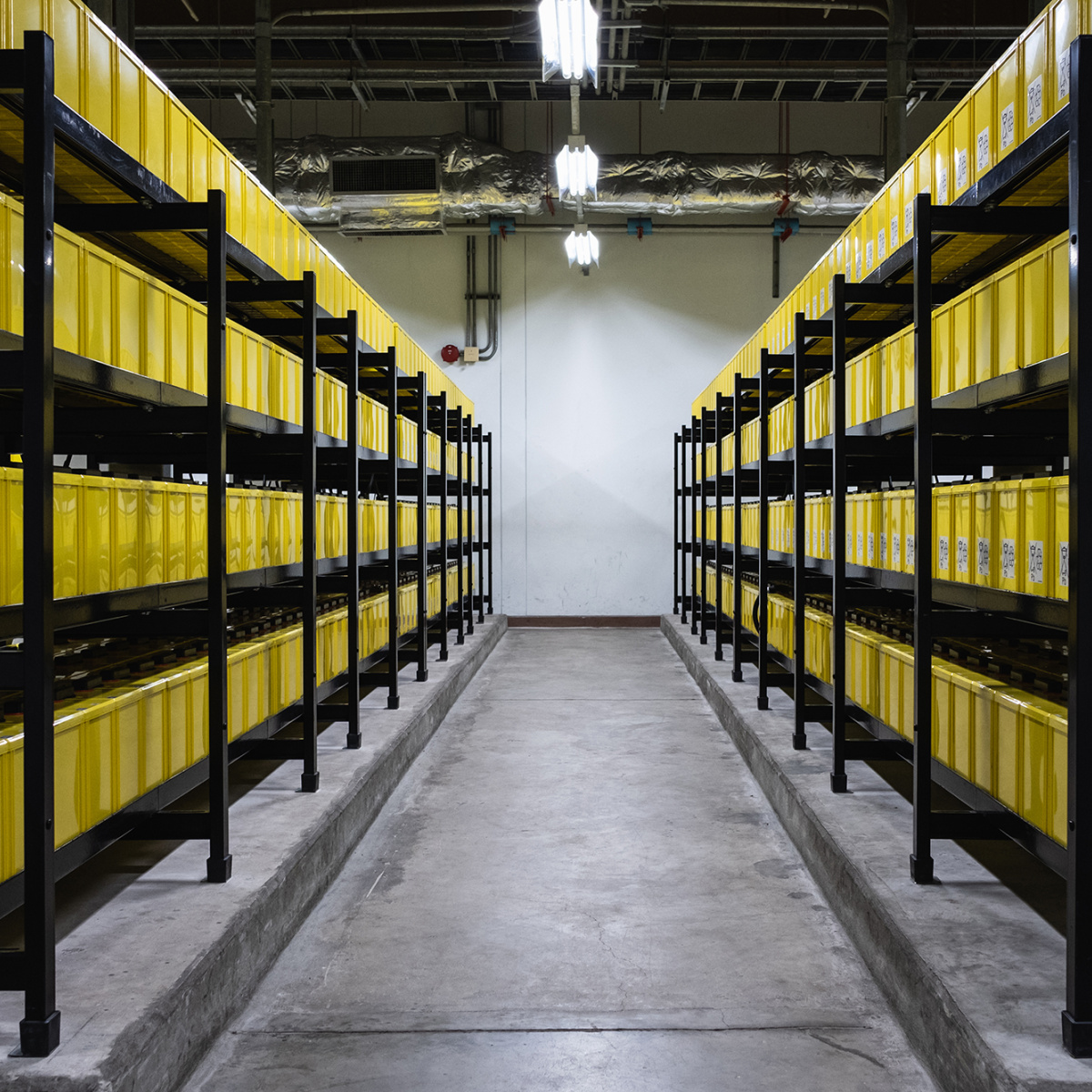
- Battery-backed UPS systems (uninterruptible power supply) for the uninterrupted supply of sensitive consumers
- Hybrid solutions consisting of generators and battery storage systems for maximum reliability and energy efficiency
- Container-based complete systems for flexible and scalable applications
What is the difference between UPS systems and emergency power systems?
UPS systems (uninterruptible power supply) bridge short-term power failures and protect sensitive systems from voltage fluctuations. Emergency power systems (NEA) take over the supply of entire buildings or production facilities during longer outages and deliver high power for hours or days.
Which industries benefit most from professional emergency power systems?
- Industry and manufacturing
- Healthcare and hospitals
- Data centres and IT infrastructure
- Transport and logistics
- Public authorities, utilities and critical infrastructure
How are emergency power systems integrated into existing company infrastructures?
PERMALUX takes care of the individual planning, integration and commissioning of the systems. This includes network analyses, adaptation to existing energy distribution systems, load management, automatic switching devices and integration into building management systems.
What standards and regulations apply to emergency power systems in the B2B sector?
- DIN VDE 0100-560 (Power supply for safety systems)
- DIN VDE 0100-710 (hospitals)
- DIN EN 50171 (central power supply systems)
- DGUV regulations and industry-specific regulations
PERMALUX guarantees compliance with all relevant standards and provides support with documentation and approval.
How are the reliability and maintenance of equipment ensured?
PERMALUX offers regular maintenance, a 24/7 service, remote monitoring and rapid fault rectification. Maintenance contracts ensure maximum availability and legally compliant test reports.
What additional services does PERMALUX offer?
- Site analysis and feasibility studies
- Project management and coordination with other trades
- Training of operating personnel
- Support with official approvals and certifications
- Modernisation and retrofitting of existing systems
How does a typical emergency power project at PERMALUX work?
- Needs analysis and consultation
- Individual planning and project management
- Delivery, installation and commissioning
- Instruction and training
- Maintenance, monitoring and service
Why is regular maintenance of emergency lighting systems, UPS systems and emergency power supply systems so important?
Regular maintenance ensures that such systems function reliably in an emergency. It prevents breakdowns, extends the service life of the systems and, in the case of systems required by building regulations, is a prerequisite for compliance with legal requirements and insurance conditions.
What legal and regulatory requirements apply to maintenance?
The obligation to carry out maintenance arises not only from product-specific standards, but also, in the case of systems required by building regulations, from the building regulations of the federal states and the Workplace Ordinance (ArbStättV).
How often must emergency generators (emergency power systems) be inspected and maintained?
- Monthly: One-hour functional test with at least 50 % of the generator’s rated output, documentation
- Annually: Maintenance and inspection of all components (engine, generator, intake/exhaust system, fuel systems, cooling system and control technology), including replacement/renewal of consumable components, such as oil or filters. Documentation.
What includes maintenance of emergency power systems (e.g. diesel generators)?
- Visual inspection and functional check of all components
- Inspection of the fuel system, oil level and coolant
- Carrying out documented load tests (trial runs)
- Inspection of electrical switchgear and protective devices
- Inspection of automatic transfer switches
- Maintenance and testing of starter batteries
- Preparation of a maintenance report and confirmation of operational readiness.
What does the maintenance of a UPS system involve, for example?
- Visual inspection for damage, corrosion and safety defects
- Battery testing: measurement of voltage, acid levels, charge retention and capacity
- Checking system functions, analysis of the fault log
- Inspection and cleaning of ventilation and cooling ducts
- Testing of switchover times and the emergency power supply under load
- Documentation of all test results and maintenance work in a maintenance log
Who is authorised to carry out maintenance on UPS and emergency power systems?
Maintenance must be carried out by ‘competent persons’, i.e. qualified specialist staff with specific expertise in UPS and emergency power systems. Operators are responsible for commissioning the work and ensuring comprehensive documentation of all measures.
What happens if defects are identified during maintenance?
Any major defects identified are documented and must be rectified promptly to ensure the system remains operational. This includes, for example, replacing faulty batteries, repairing control systems or rectifying corrosion damage.
Minor defects are rectified immediately where possible.
How is maintenance work documented?
All inspections and maintenance tasks are documented in a maintenance log and, in some cases, in an inspection logbook. This includes:
- Date, time, scope and results of the inspections
- Details of any repairs or replacements carried out
- Names and signatures of the persons responsible.
How does PERMALUX support your company with maintenance and service?
PERMALUX supports you throughout the entire lifecycle of your system(s) with:
- One-off maintenance assignments
- Maintenance contracts with regular inspection intervals
- Support and assistance with the prescribed expert inspections
- Call-outs to rectify faults and defects
What steps does professional installation involve, for example?
- Installation of the power supply (e.g. central battery, individual battery, emergency power supply)
- Mounting of luminaires and signs at the specified positions and heights
- Carrying out the initial inspection and documenting all relevant measurement values and settings
Installation and commissioning are based on the prior planning and lighting design of the emergency lighting system in accordance with DIN EN 1838 and ASR A2.3, as well as on the selection of suitable luminaires and safety signs.
How does PERMALUX support your company in complying with all requirements?
PERMALUX offers:
- Professional planning, installation and commissioning
- Maintenance contracts with regular inspection intervals
- Support with official approvals and inspections
- Training for operating personnel
- Rapid fault rectification and spare parts service
Why should I choose PERMALUX as my partner for emergency power systems?
PERMALUX brings decades of experience, certified quality (ISO 9001, EN 9100), innovative solutions and comprehensive service to demanding B2B customers – from planning to long-term support.